
What to ask before a tree crew steps onto your commercial property
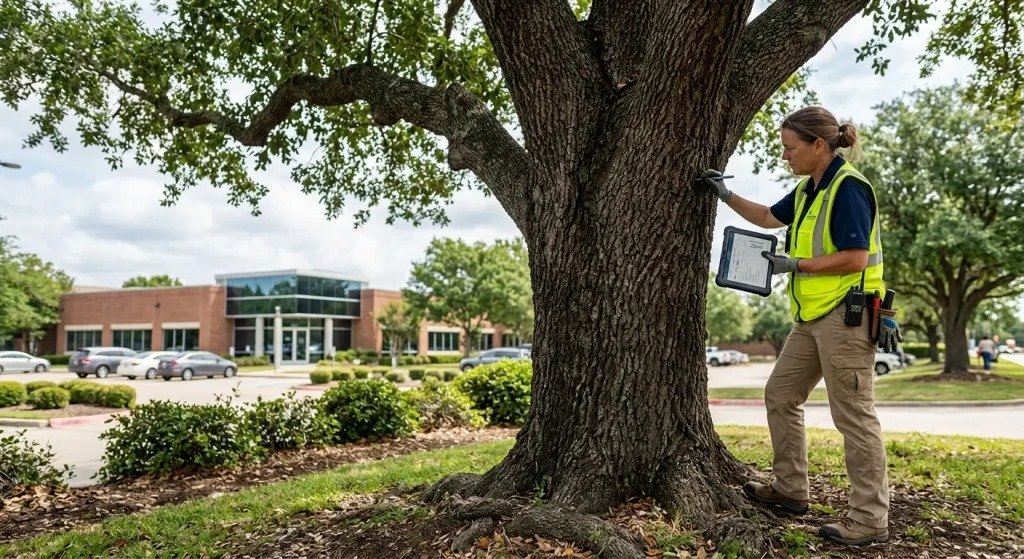
A commercial property is judged by how it looks from the curb, but it is managed by what happens behind the scenes. Trees are part of both. They soften a parking lot, shade a sidewalk, and signal that someone cares; they also drop limbs, lift pavement, and create liability. For property managers in Riverside and the surrounding Burlington County area, commercial tree services nj is not a seasonal convenience; it is part of risk management. A single failed limb over a parking lot can close a business, injure someone, and trigger a claim.
The first conversation should be about scope, not price. Pruning, removal, stump grinding, emergency response, and plant health care are different services with different crews and equipment. Ask for a written proposal that lists species, size, location, work method, disposal, and cleanup. A quote that says «trim trees» without details is not a quote; it is an invitation to a change order.
Insurance and credentials are non-negotiable. Request a certificate of insurance for general liability and workers compensation, and confirm the limits are appropriate for the property. Ask whether the crew includes a certified arborist and how they handle utility lines. A cheap crew without coverage can become the most expensive vendor on your list, because an accident becomes your problem.
What a serious proposal should include
The contract should define access, hours, and safety. Will work happen before opening, during business hours, or on a weekend? Who controls traffic and pedestrians? Are permits required for street closures or utility work? A commercial site has customers, deliveries, and employees moving through it, and the tree crew has to fit into that choreography without creating a hazard.
Disposal and cleanup need a line item. Chips, logs, and debris should leave the property the same day unless the contract says otherwise. Ask where the material goes and who pays the dump fees. Stump grinding is often excluded, and the difference between a flush cut and a ground stump matters for pavement, mowing, and future planting.
Emergency response is where the contract proves itself. A storm can block an entrance or bring a limb onto a roof at any hour. Ask how the company handles after-hours calls, how quickly it can mobilize, and whether emergency rates are defined in advance. The time to negotiate an emergency is before the emergency, not while water is coming through the ceiling.
Documentation protects both sides. Before-and-after photos, work orders, inspection notes, and disposal receipts create a record that is useful for insurance, ownership reports, and future planning. A professional crew expects to provide them. If the only evidence is a text message that says the work is done, you have no file.
Seasonal timing is part of the plan. The best window for pruning depends on species, but many commercial properties schedule work in late winter, when the structure is visible and the growing season has not started. Summer is better for clearance and deadwood, and fall is a good time to inspect for storm damage. A crew that can explain why a particular month was chosen is more trustworthy than one that simply fits the job into an empty slot.
How to compare crews without guessing
Compare proposals line by line. One may include removal and stump grinding; another may exclude both. One may price per tree; another may price per hour with a cap. Ask what happens if the crew finds a hazard that was not visible from the ground. A good vendor explains the contingency before the work starts.
References should be commercial. A crew that is excellent at a single-family home may not be prepared for a shopping center with traffic, lighting, and a schedule. Ask for properties similar to yours, and ask what went wrong on a past job. The answer tells you more than a list of satisfied customers.
Verify the insurance, not just the certificate. Call the agent listed on the document and confirm the policy is active and covers tree work. General liability alone is not enough if the crew has employees; workers compensation matters when someone is injured on your property. A vendor who resists the question is telling you something important.
Communication is part of the service. Who answers the phone, how often do you get updates, and who inspects the finished work? A vendor who disappears after the estimate will disappear again when a limb falls. A reliable crew is boring in the best sense: it shows up, communicates, and leaves the site clean.
Set a monthly walk-through with the crew leader during active projects. Fifteen minutes on site catches problems that a phone call misses: a broken branch over a walkway, a cable crossing a drive aisle, a pile of debris left overnight. The walk-through is not micromanagement; it is quality control, and it keeps the relationship from becoming a series of complaints.
Keep a simple vendor scorecard. On-time arrival, cleanup, communication, and invoice accuracy are easy to track and useful at renewal time. A vendor that scores well is worth keeping even if the bid is not the lowest.
Red flags are consistent. No certificate of insurance, a door-to-door pitch, cash-only payment, no written scope, and a price that is far below the others. None of these proves a scam, but together they describe a risk you do not need. The lowest bid is only a bargain if the work is complete and safe, and that is rarely true when the basics are missing.
The right commercial tree service is a long-term partner, not a one-time transaction. It knows the property, tracks the trees, and helps you plan instead of reacting. That relationship is worth more than a few dollars saved on a single removal, especially when a storm makes the phone ring at midnight. That first conversation prevents expensive misunderstandings. A good contract is a relationship, not a transaction, and it should read that way.
